
Introduction of car engine repair
Regular engine service is essential for keeping your car running smoothly, improving performance, and helping prevent unexpected breakdowns. Your car engine repair contains many moving parts that need proper lubrication, cooling, and regular inspection. Without suitable engine maintenance, small issues can develop into expensive mechanical problems.
At New Star Best Motor, we help car owners maintain their vehicles through professional inspections and servicing. Regular engine service can help identify potential faults early, improve engine reliability, and support a longer engine life. If you want your car to perform efficiently, routine servicing and timely car engine repair are important.
What Is Engine Service and Why Is It Important?
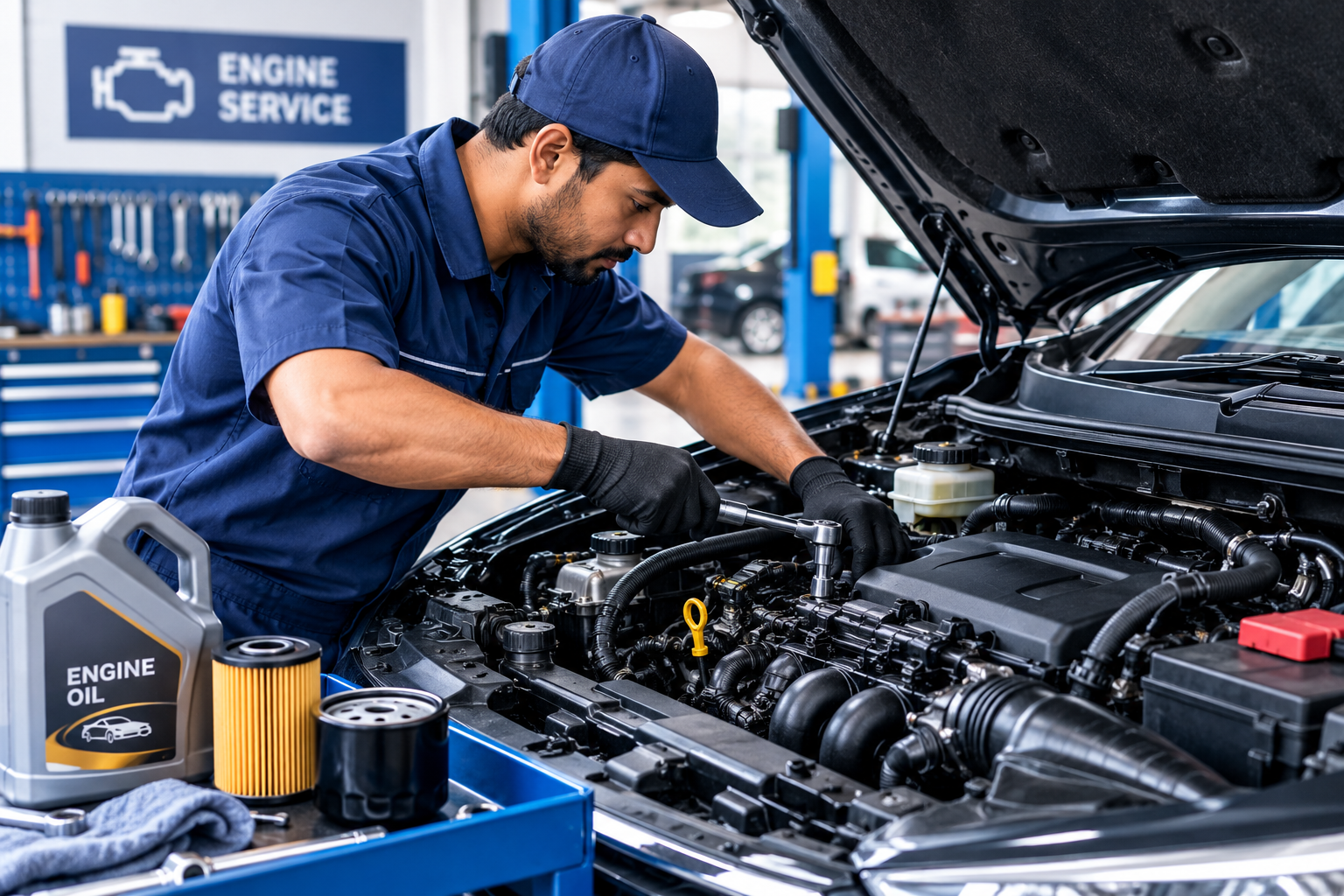
Engine service involves inspecting and maintaining important engine components to help ensure they work correctly. Depending on your vehicle’s needs, it may include checking engine oil, replacing filters, inspecting belts and hoses, checking the cooling system, and scanning for engine fault codes.
Regular engine maintenance helps reduce unnecessary wear and can identify problems before they become more serious. When a fault is discovered, timely car engine repair can help restore proper engine operation and prevent further damage.
How Regular Engine Maintenance Improves Performance
Regular engine maintenance helps your engine operate more efficiently by keeping essential components clean, lubricated, and in good condition. Replacing engine oil and filters at the recommended intervals helps protect moving parts from excessive wear.
Professional engine service can also identify issues such as clogged filters, worn spark plugs, or cooling-system faults. Addressing these problems early may improve engine smoothness and reduce the risk of unexpected repairs.
How Engine Service Helps Prevent Expensive Car Engine Repair
Ignoring engine warning signs can allow minor problems to become major mechanical faults. For example, low engine oil can increase friction, while an overheating engine may suffer serious internal damage.
Routine engine service helps technicians identify leaks, unusual noises, fluid problems, and other warning signs. Proper engine maintenance can reduce the likelihood of avoidable breakdowns, while early car engine repair may help prevent a small fault from becoming a more costly repair.
Common Engine Problems That Require Car Engine Repair
Some engine problems develop gradually, while others appear suddenly. Recognising the warning signs can help you arrange an inspection at the right time.
Common problems include:
- Engine overheating or rising temperature readings.
- Unusual knocking, rattling, or ticking noises.
- Excessive exhaust smoke.
- Oil or coolant leaks.
- Reduced engine power or rough idling.
- The check engine warning light remaining on.
If you notice these symptoms, arrange a professional inspection. Timely car engine repair can help identify the underlying cause and reduce the risk of further damage.
What Is Included in Professional Engine Service?
Professional engine service depends on your car’s make, model, mileage, and condition. A technician will check the components and recommend the maintenance required for your vehicle.
Replacing the oil and filter according to the manufacturer’s recommendations is an important part of engine maintenance. Using the correct oil specification helps protect engine components.
Engine Cooling System Inspection
Engine Cooling System Inspection
The cooling system helps maintain a suitable operating temperature. During engine service, technicians can inspect coolant levels, hoses, the radiator, and other relevant components for leaks or damage. Addressing cooling problems early can help prevent overheating and the need for major car engine repair.
Spark Plug and Air Filter Inspection
Spark plugs support combustion in petrol engines, while the air filter helps prevent dirt and debris from entering the engine. Worn spark plugs or a restricted air filter may affect engine performance. Checking these components during routine engine maintenance helps keep the engine operating as intended.
Computerised Engine Diagnostics
Modern vehicles use electronic systems to monitor engine performance. Diagnostic equipment can retrieve fault codes and help technicians investigate warning lights, sensor faults, and performance problems. Accurate diagnosis supports effective car engine repair and avoids relying on guesswork.
How Often Should You Schedule Engine Maintenance?
The recommended engine maintenance schedule varies by vehicle, engine type, driving conditions, and manufacturer guidance. Check your owner’s manual for the correct service intervals and oil specifications.
Cars frequently driven in heavy traffic, dusty conditions, or extreme temperatures may require additional attention. Regular engine service helps monitor wear and identify developing problems. Do not delay inspection if you notice unusual noises, leaks, overheating, or a persistent warning light.
Warning Signs That Your Car Needs Engine Service
Warning Signs That Your Car Needs Engine Service
Your car may need engine service if you notice changes in its normal performance. Watch for rough idling, difficulty starting, reduced power, unusual exhaust smoke, or an increase in fuel consumption.
These symptoms can have different causes, so a professional inspection is important. Early engine maintenance and appropriate car engine repair can help restore reliable performance and prevent some faults from becoming more serious.
What Is Included in Professional Engine Service?
Professional engine service depends on your car’s make, model, mileage, and condition. A technician will check the components and recommend the maintenance required for your vehicle engine oil
Why Choose New Star Best Motor for Engine Service?
At New Star Best Motor, we understand the importance of dependable engine performance. Our car workshop focuses on identifying vehicle problems and recommending suitable maintenance and repairs based on your car’s condition.
Whether your vehicle needs routine engine service, scheduled engine maintenance, or diagnostic checks for a possible fault, professional assessment helps you make informed repair decisions. If your engine shows signs of trouble, contact our workshop to arrange an inspection.
Conclusion: Keep Your Engine Healthy With Regular Engine Service
Regular engine service plays an important role in maintaining vehicle performance and reliability. From oil and filter replacement to cooling-system inspections and computerised diagnostics, suitable engine maintenance helps protect important engine components.
Paying attention to warning signs and arranging timely car engine repair can help prevent further damage and unexpected breakdowns. Follow your vehicle manufacturer’s maintenance schedule and consult a qualified technician whenever you notice an engine problem.
Choose New Star Best Motor for professional assistance with your car servicing and engine maintenance needs.
Frequently Asked Questions About Engine Service
1. Why is regular engine service important?
Regular engine service helps maintain engine lubrication, monitor component wear, identify potential faults, and support reliable vehicle performance.
2. What does engine maintenance include?
Engine maintenance may include changing engine oil and filters, inspecting spark plugs, checking the cooling system, examining belts and hoses, and carrying out diagnostic checks as required.
3. When does a car need engine repair?
3. When does a car need engine repair?
Your car may need car engine repair if it overheats, loses power, produces unusual noises or smoke, develops fluid leaks, or displays a persistent check engine warning light.
4. Can regular engine service prevent engine damage?
Regular engine service can help detect some problems early and reduce avoidable wear. However, it cannot prevent every mechanical failure.
5. How often should I get engine service?
Follow the service intervals specified by your vehicle manufacturer. The correct interval depends on your car model, engine type, mileage, and driving conditions.